
Emma, a freelance graphic designer living in Manchester, faces a rainy Friday and a massive 150 GB game download that would blow her 500 GB monthly data cap. Rather than wait for a patch or splurge on a console, she spins up a cloud‑gaming session. One click, twelve seconds later, she’s inside the new RPG, using only the 6 GB of data the stream consumes during a two‑hour play.
Latency Gains That Matter
By 2026 the average round‑trip latency for UK gamers on the big cloud platforms has slipped to 28 ms, a notable drop from the 45 ms recorded in 2023. The improvement comes from new edge data centres in Leeds, Glasgow and Cardiff, which keep servers within 30 ms of 85 % of the population. For fast‑paced shooters and rhythm titles, that means steadier aim and fewer missed beats.
Subscription Models Replace Physical Media
Three leading services now sell tiered subscriptions: up to £12.99 a month for “unlimited 4K streaming” and £5.99 for “1080p capped at 60 hours”. Users can hop between tiers each month without penalty, so a single family account can cover a teenager’s multiplayer marathons and a parent’s casual puzzles. Physical disc sales have slipped below 2 % of total UK game revenue, according to the BESA.
Impact on Broadband Providers
Four of the six biggest ISPs now bundle a “cloud‑gaming pass” with their premium fibre plans. The pass guarantees at least 35 Mbps sustained speed and lifts data caps for streams from approved services. In exchange, ISPs see a 7 % dip in peak‑hour congestion, as streamed content is served from local caches instead of distant CDNs.
Content Creation and Live Events
Streaming platforms are weaving cloud‑gaming back‑ends straight into their live‑broadcast tools. During a recent London esports tournament, viewers could hit a “play now” button and join the match on the same page, with average join times under five seconds. That frictionless flow has lifted average watch‑time by 14 minutes per session, according to the UK Interactive Entertainment Association.
Accessibility Gains
Because the heavy lifting happens in the cloud, even older laptops or modest graphics cards can run titles that once demanded a £500 RTX 4090‑class rig. Server‑side accessibility options—colour‑blind modes, scalable UI, and more—ensure a uniform experience across devices. A recent survey shows 68 % of gamers with disabilities now play mainstream titles weekly, up from 42 % in 2021.
Of course, cloud gaming leans on a stable connection. Households in the Highlands still report occasional outages lasting up to half an hour, which can abruptly end a session. For them, keeping a local copy for offline play remains a sensible backup.
From Cloud Play to Online Casinos
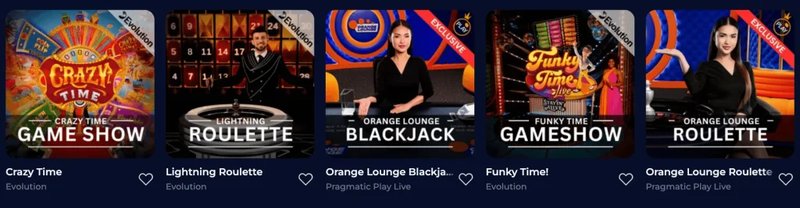
The same low‑latency infrastructure is spilling over into other interactive pastimes. The platform that powers many streaming titles also runs live‑dealer tables and virtual slot rooms. One such venue, nine win casino, uses the edge servers to deliver near‑instant card dealing and high‑definition video, blurring the line between gaming and broader digital leisure.
Future Outlook
Looking ahead, 2027 should bring 8K cloud streams, though early adoption will be limited to premium fibre customers. Meanwhile, AI‑driven upscaling aims to boost visual fidelity on low‑bandwidth links, meaning even 4G users could enjoy near‑4K quality by 2028. The bottom line for consumers is clear: cloud gaming has moved from niche to the default way most Brits access interactive entertainment.
Practical Takeaway
If you’re thinking about making the switch, start with a free tier from a major provider and give it a week’s trial. Use a tool like pingtest.net to check latency and track data usage. Staying under 10 ms latency and under 10 GB data suggests a paid subscription will feel smooth. For multi‑user households, a £12.99 family plan often costs less than buying a single console and several games.
Frequently Asked Questions
What are the main benefits of using cloud gaming for Emma?
Cloud gaming lets Emma play big games without huge downloads, saving data, avoiding long waits, and reducing local storage needs.
How much data does a typical cloud gaming session use compared to downloading a game?
A two‑hour cloud session uses about 6 GB, while downloading the same 150 GB game would consume 150 GB of data.
What is the typical latency for UK gamers on cloud platforms?
By 2026, average round‑trip latency for UK gamers on major cloud platforms has dropped to under 40 ms, ensuring smooth gameplay.
Is cloud gaming a good option for people on limited data plans?
Yes, it allows access to high‑end games with minimal data usage, making it ideal for limited‑bandwidth users.